Blepharoplasty
Blepharoplasty is an important aspect of facial rejuvenation and entails reversing the effects of aging in the upper and/or lower eyelids to promote a more youthful, well-rested appearance. Our New Jersey plastic surgeon, Dr. Jordan P. Farkas, offers transformative eyelid surgery treatments to help his patients look and feel their best.
Eyelid Surgery At a Glance
- Benefits:
- Reduces sagging skin, puffiness, and under-eye bags to create a more alert, refreshed, and youthful appearance.
- Candidates:
- Best suited for healthy adults bothered by drooping eyelids, excess upper lid skin, or persistent under-eye bags, including those experiencing mild vision obstruction from heavy lids.
- Procedure:
- Excess skin, fat, and/or muscle are removed or repositioned through discreetly placed incisions in the upper and/or lower eyelids.
- Recovery:
- Most patients return to non-strenuous activities within 10 to 14 days, with swelling and bruising subsiding gradually over the following weeks.
- Surgeon:
- Dr. Jordan P. Farkas is certified by the American Board of Plastic Surgery and tailors each blepharoplasty to the patient's unique eyelid anatomy and aesthetic goals.
What Is Blepharoplasty?
Blepharoplasty, commonly known as eyelid surgery, is a cosmetic procedure designed to improve the appearance of the upper and lower eyelids. It addresses issues such as drooping upper lids, puffiness, and bags under the eyes, which can make one look tired or older. The surgery involves removing or repositioning excess skin, fat, and muscle to create a more youthful and rejuvenated appearance. Blepharoplasty can enhance both cosmetic appeal and, in some cases, vision obstructed by sagging eyelid skin.
Blepharoplasty can be a transformative procedure when performed on its own, but it also pairs well with facelift surgery and other forms of cosmetic facial rejuvenation.
What Are the Benefits of Eyelid Surgery?
Eyelid surgery offers both cosmetic and functional advantages that can significantly improve a patient’s quality of life. On an aesthetic level, blepharoplasty can rejuvenate the eyes by reducing puffiness, eliminating sagging skin, and softening the appearance of under-eye bags.
This can create a more youthful and refreshed expression. For many patients, this improvement translates to greater self-confidence in personal and professional settings.
Functionally, upper eyelid surgery can also correct vision problems caused by drooping lids that obstruct the line of sight. Patients often report not only looking more awake but also feeling more comfortable performing daily activities such as reading and driving. Combined, these potential benefits make blepharoplasty one of the most effective facial rejuvenation procedures available.
Am I a Candidate for Blepharoplasty?
Ideal candidates for blepharoplasty are adults in good health who wish to restore a more youthful, refreshed appearance by addressing sagging or drooping eyelids, bags under the eyes, or excess skin that impairs vision. Suitable candidates should have realistic expectations and understand the potential outcomes and risks of the procedure. Conditions such as dry eyes, glaucoma, or thyroid disorders may affect eligibility, so Dr. Farkas will conduct a thorough review of your medical history prior to treatment. Candidates should also either be non-smokers or be willing to give up smoking for a few weeks before and after surgery to ensure optimal recovery.
Eyelid Surgery vs. Brow Lift
While both eyelid surgery and brow lift procedures can rejuvenate the upper face, they address different concerns. Eyelid surgery focuses on the eyelids themselves, removing excess skin and fat to correct drooping lids or puffy under-eyes. It is generally ideal for patients who are primarily concerned with sagging eyelid tissue or persistent under-eye bags.
A brow lift, on the other hand, targets the forehead and brow region. It elevates drooping eyebrows, smooths forehead wrinkles, and reduces heaviness over the eyes caused by a low brow position. In some cases, what appears to be upper eyelid sagging may actually stem from a descending brow, potentially making a brow lift the more effective solution.
During the consultation, our plastic surgeon in Bergen County, NJ carefully evaluates each patient’s anatomy to determine whether eyelid surgery, a brow lift, or a combination of the two can achieve the most natural-looking and harmonious results.
What Does Blepharoplasty Involve?
Upper Eyelid Surgery
Upper blepharoplasty involves creating an incision along the natural crease of the upper eyelid through which Dr. Farkas removes or repositions excess skin and fat. The underlying muscles can also be smoothed and tightened, as needed. This process helps to correct drooping or sagging eyelids, which can help make the eyes appear more open and alert. The skin and muscle around the eyelid is also smoothed and redraped for a more youthful aesthetic.
Lower Eyelid Surgery
Lower blepharoplasty focuses on the area beneath the eyes, addressing issues like puffiness, bags, and sagging skin. An incision is made either just below the lower lash line or inside the lower eyelid. Through this incision, Dr. Farkas can remove or redistribute fat, as well as tighten any loose skin. This helps to create a smoother, more youthful contour under the eyes.
What Can I Expect During Recovery After Eyelid Surgery?
The precise details of the eyelid surgery recovery process will depend on a patient’s unique anatomy and whether they underwent upper blepharoplasty, lower blepharoplasty, or both. That said, blepharoplasty recovery typically involves mild swelling, bruising, and discomfort, which should gradually subside over the course of the next two weeks. Patients should try to keep their head elevated and apply cold compresses to reduce swelling. Most individuals can return to non-strenuous jobs and other routine activities within 10-14 days. More vigorous activities and heavy lifting should be avoided for several weeks. Vision may be temporarily blurred due to swelling, but this improves as healing progresses. It is important to diligently follow all of Dr. Farkas’s post-operative care instructions to ensure a smooth recovery and optimal results.
How Long Do Eyelid Surgery Results Last?
Eyelid surgery typically provides long-lasting results, and many patients enjoy the benefits of their procedure for a decade or longer. Because blepharoplasty usually removes excess skin and fat rather than simply repositioning existing tissue, the treated areas are not likely to redevelop the same degree of sagging or puffiness that prompted the original surgery.
That said, the eyelids will continue to age naturally over time, and factors such as genetics, sun exposure, and lifestyle habits can influence how quickly new signs of aging appear. Upper eyelid results tend to be particularly durable, while lower eyelid results may be more subtly influenced by ongoing changes in the midface. Maintaining a healthy lifestyle and using quality skincare can help preserve results for as long as possible.
Will Eyelid Surgery Leave Noticeable Scars?
Blepharoplasty incisions are strategically placed to be as inconspicuous as possible. For upper eyelid surgery, the incision usually follows the natural crease of the eyelid, allowing it to blend seamlessly once healed. For lower eyelid surgery, the incision is typically hidden just beneath the lash line or along the inner surface of the eyelid, making it virtually undetectable to others.
In the initial weeks following surgery, incision lines may appear pink or slightly raised, but they typically fade significantly within a few months. Because eyelid skin is thin and heals efficiently, most patients find that any residual scarring becomes nearly invisible over time. Following Dr. Farkas’ post-operative instructions closely can further support optimal healing and scar fading.
How Much Does Eyelid Surgery Cost?
The cost of eyelid surgery (blepharoplasty) at our New Jersey practice typically ranges between $5,000 and $6,000 for an upper blepharoplasty and $5,000 and $9,000 for a lower blepharoplasty. Though this range may differ based on various factors associated with the customized treatment plan. Surgical complexity, anesthesia fees, facility costs, the surgeon’s fee, and other components of care will be taken into account for the final price. The cost of blepharoplasty will also depend on whether the procedure involves the upper eyelids, lower eyelids, or both, and whether additional procedures are being performed as part of the treatment plan. During your consultation, a member of Dr. Farkas’ team will provide a detailed, personalized estimate and review available payment options. These include third-party financing opportunities for qualified patients who would like to pay for their eyelid surgery on an installment basis. We will be happy to answer any questions you may have.
Additional Frequently Asked Questions About Eyelid Surgery
Can blepharoplasty fix dark circles or hollowness under my eyes?
Blepharoplasty is primarily designed to address excess skin and fat, so its ability to improve dark circles or hollowness depends on the underlying cause. Puffiness caused by fat pockets can often be improved, and in some cases, fat can be repositioned to fill hollow areas. However, dark circles caused by skin pigmentation or thinning may require additional treatments, such as skin resurfacing or injectable fillers, to achieve optimal improvement.
Is eyelid surgery painful?
Most patients report only mild discomfort rather than significant pain following blepharoplasty. Any soreness, tightness, or irritation is typically well-controlled with prescribed medication and tends to improve markedly within the first few days after surgery.
Will eyelid surgery affect my ability to wear contact lenses or eye makeup afterward?
Patients are generally advised to avoid contact lenses and eye makeup for a short period after surgery while the incisions heal, typically around two weeks. Once initial healing is complete and Dr. Farkas gives clearance, most patients can resume wearing both without further restriction.
How soon after eyelid surgery will I be able to see my final results?
While patients often notice improvement within a few weeks as initial swelling and bruising fade, final results typically take several months to fully appear. This is because subtle residual swelling can persist beneath the surface, gradually resolving as the eyelids settle into their refined, healed contour.
Interested in learning more about eyelid surgery? Contact Farkas Plastic Surgery today.
Patient Results
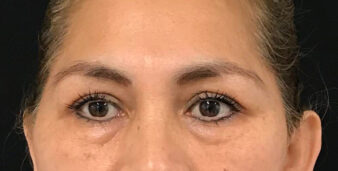
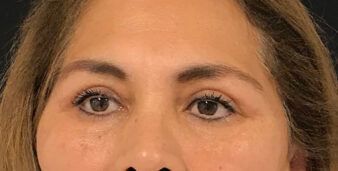
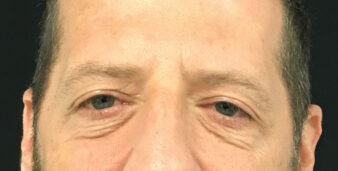
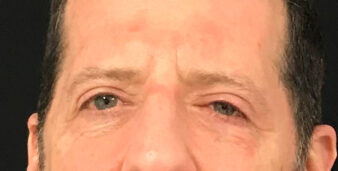
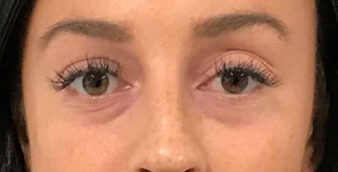
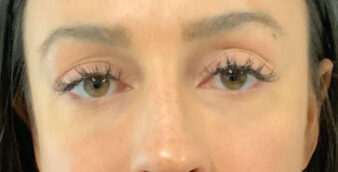
“I am absolutely thrilled and filled with gratitude for the exceptional experience I had with Dr. Farkas and his team at Farkas Plastic Surgery during my recent Blepharoplasty (Upper Eyelid Surgery).”


