Breast Reduction Surgery
About Breast Reduction Surgery
Breast reduction surgery, also known as reduction mammoplasty, is designed to improve breast proportions and alleviate physical and emotional discomfort. The procedure is often sought for functional reasons, as it can help reduce physical issues such as neck pain, back pain, and skin irritation under the breasts. It can also be performed for aesthetic reasons, such as alleviating breast sag and bringing the breasts into better balance with a patient’s physique. Indeed, breast reduction patients are often pleased to realize that the procedure has many of the same benefits as a cosmetic breast lift.
Dr. Jordan P. Farkas, our board-certified plastic surgeon in Northern New Jersey, offers personalized breast reduction treatments tailored to each patient’s goals. Contact our practice today to schedule a consultation.
Breast Reduction At a Glance
- Benefits:
- Can relieve back, neck, and shoulder pain while improving breast proportion, symmetry, and overall comfort in daily life.
- Candidates:
- Best suited for individuals experiencing physical discomfort or self-consciousness due to disproportionately large or heavy breasts, and who have completed breast development.
- Procedure:
- Excess breast tissue, fat, and skin are removed, with the remaining tissue reshaped and the nipple-areola complex resized as needed.
- Recovery:
- Most patients return to work and light activities within one to two weeks, with strenuous exercise avoided for four to six weeks.
- Surgeon:
- Dr. Jordan P. Farkas is board-certified and customizes each breast reduction to the patient's anatomy, goals, and desired final proportions.
What Is Breast Reduction?
Breast reduction surgery is a medical procedure aimed at reducing the size of the breasts for a variety of functional and aesthetic reasons. It involves the surgical removal of excess breast tissue, fat, and skin to bring the breasts into better proportion with a patient’s body and to alleviate discomfort associated with disproportionately large and/or heavy breasts. The nipple-areola complex can also be resized as needed to create a more harmonious breast aesthetic.
What Are the Benefits of Breast Reduction?
Breast reduction is often both an aesthetic and functional procedure, offering patients numerous benefits that can enhance their appearance, self-esteem, and overall quality of life. Breast reduction with Dr. Farkas can:
- Relieve Physical Discomfort – Reduces back, neck, and shoulder pain caused by excessive breast weight.
- Improve Posture – Eases strain on the spine and shoulders, promoting better alignment.
- Enhance Mobility – Makes physical activities like running, jumping, and playing sports more comfortable and enjoyable.
- Reduce Skin Irritation – Helps prevent rashes and chafing under the breasts.
- Ease Bra Strap Indentations – Minimizes painful bra strap grooves caused by heavy breasts.
- Enhance Clothing Fit – Expands wardrobe options, makes shopping for bras easier, and improves comfort in clothing.
- Boost Confidence – Can improve body image and self-esteem.
- Reduce Emotional Stress – For many women, breast reduction can alleviate unwanted attention and self-consciousness.
- Help with Breast Asymmetry – Creates a more balanced and proportional breast appearance.
- Provide Long-Lasting Results – Provides a lasting solution for those struggling with overly large breasts.
Who Is a Good Candidate for Breast Reduction Surgery?
Candidacy for breast reduction surgery is typically determined by both physical and psychological factors. Ideal candidates are individuals who experience physical and/or emotional discomfort due to excessively large breasts, such as chronic back, neck, and shoulder pain, skin irritation under the breasts, and restricted physical activity.
Psychologically, candidates should have realistic expectations about the outcomes of the surgery and possess a clear understanding of the procedure itself, including potential risks and recovery time. Emotional readiness and stability are crucial, as the surgery can significantly alter body image. Dr. Farkas is a firm believer in patient safety and education, and he takes the time to talk each patient through the procedure so they know what to expect before, during, and after their breast reduction.
Age can also be a consideration in determining breast reduction candidacy, as surgeons typically prefer that breast development be complete prior to operating. In all cases, a consultation with Dr. Farkas will be needed to review medical history, discuss goals, and determine eligibility for the procedure.
What Does the Breast Reduction Procedure Involve?
Breast reduction surgery is performed under general anesthesia as an outpatient procedure. Following a consultation, Dr. Farkas tailors a unique treatment plan to the needs of the individual.
Generally speaking, breast reduction involves the removal of excess skin, fat, and glandular tissue to reduce the size and weight of the breasts. As tissues are removed, Dr. Farkas also reshapes the breast for an improved shape and a firmer, perkier aesthetic. As needed, the areolas can also be resized to suit the new breast proportions. Depending on the amount of tissue that is being removed, different incision patterns may be employed:
- For a mild reduction, a periareolar approach may be used. This technique involves an incision around the outer edge of the areola (the pigmented tissue surrounding the nipple).
- For more moderate levels of reduction, Dr. Farkas may recommend a “lollipop” incision pattern, which utilizes an incision around the areola as well as one extending vertically down towards the breast crease.
- For cases involving more significant tissue and skin removal, an “anchor” or “inverted-T” incision pattern may be indicated. The anchor technique employs the same incisions as the lollipop approach, with the addition of a third incision that extends horizontally along the inframammary fold (breast crease).
In each case, Dr. Farkas does everything in his power to blend the incisions into the natural contours of a patient’s body. That said, some scarring is unavoidable. Dr. Farkas can provide specific advice for ensuring the incisions heal well, and most patients report that scarring is well-concealed when wearing underwear or bikini tops.
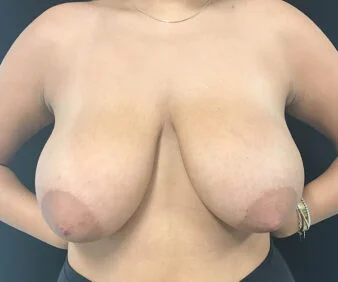
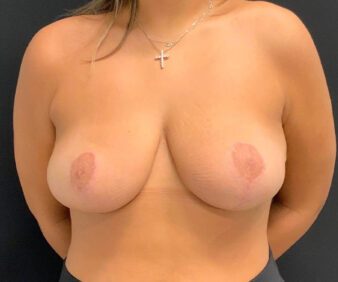
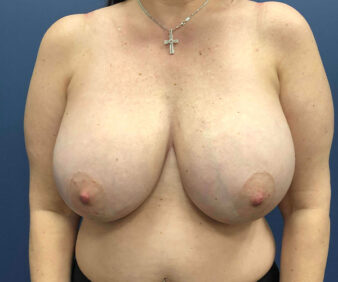
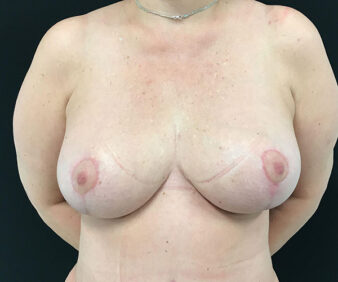
Patient Results
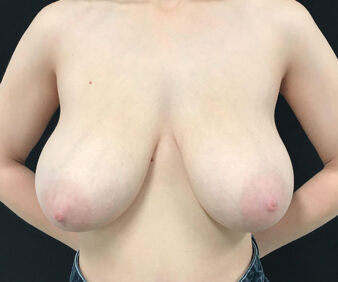
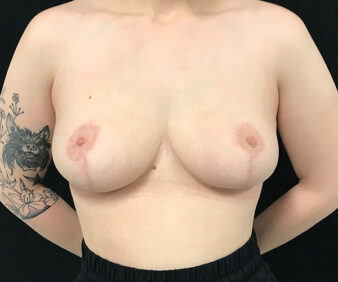
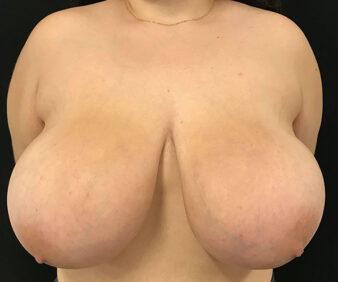
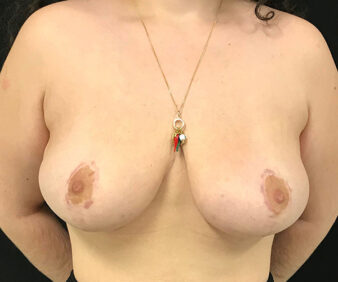
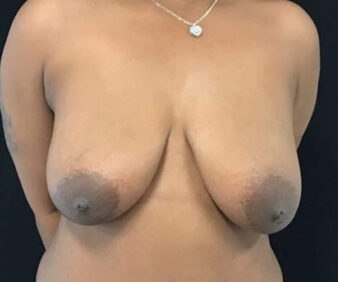
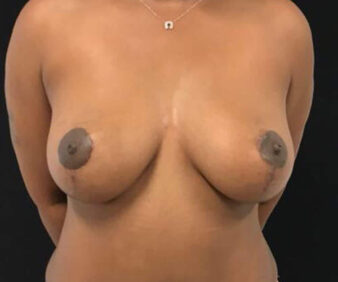
What Is Breast Reduction Recovery Like?
Immediately after breast reduction surgery, patients typically experience some swelling and discomfort, which can generally be well-managed with prescribed pain medication and adequate rest. Dressings or bandages will be applied to the incisions, and patients will generally need to wear a compression bra to minimize swelling and support the breasts as they heal.
Patients can usually return to work and light activities within one to two weeks, but should avoid heavy lifting and strenuous exercise for about four to six weeks. It is important to follow all of Dr. Farkas’ instructions carefully during recovery to ensure optimal healing. Scars from the incisions will gradually fade and improve over time, though they will not disappear completely. Attending all regular follow-up appointments with Dr. Farkas is crucial for monitoring the healing process and addressing any concerns as they arise.
How Much Does a Breast Reduction Cost?
The average cost for Breast Reduction surgery in Northern New Jersey ranges between $8,000-$14,000. That said, the total cost tends to vary between patients depending on factors such as the degree of reduction required, the surgical techniques employed, and whether any additional procedures (such as liposuction of the bra line or back) are performed at the same time. During your consultation, Dr. Farkas and our knowledgeable team can provide you with a personalized price quote that reflects the unique features of your treatment plan.
Will Insurance Cover Breast Reduction Surgery?
If a breast reduction is considered medically necessary, insurance may cover the procedure. However, most insurance providers require extensive documentation of the health issues caused by overly large breasts, along with proof that non-surgical alternatives have been attempted. Additionally, many plans have specific criteria for the amount of breast tissue that must be removed to qualify for coverage. To improve your chances of approval, Dr. Farkas recommends discussing the matter with your general practitioner and beginning the documentation process early if you intend to seek coverage. At Farkas Plastic Surgery, our friendly and knowledgeable team is here to help you navigate your insurance policy and submit the required documentation to maximize your benefits.
For patients seeking breast reduction for purely cosmetic reasons or who do not wish to pursue insurance coverage, we also offer financing options to help make the cost of surgery more manageable. Contact our office to learn more.
Can I Breastfeed After Breast Reduction Surgery?
Many patients who undergo breast reduction are able to breastfeed successfully afterward, though outcomes can vary depending on the surgical technique used and the amount of tissue removed. Because breast reduction involves removing glandular tissue and may affect the milk ducts and nerves connecting to the nipple, some patients may experience a reduced capacity to produce milk or partial changes in nipple sensation. Techniques that preserve the connection between the nipple-areola complex and the underlying breast tissue, when feasible, are generally more favorable for maintaining breastfeeding potential.
If future breastfeeding is an important consideration for you, be sure to discuss this priority with Dr. Farkas during your consultation. He can review surgical approaches designed to help preserve breastfeeding function where possible, while still achieving your desired reduction in breast size. Keep in mind that even patients who do not undergo breast reduction may face breastfeeding challenges for unrelated reasons, so surgery is only one of many variables involved.
Additional Frequently Asked Questions About Breast Reduction
Does breast reduction affect the risk of breast cancer or make mammograms more difficult to read?
Breast reduction does not increase the risk of developing breast cancer, and some studies suggest it may be associated with a modestly reduced risk due to the removal of breast tissue1. Following surgery, it's important to inform your radiologist about your surgical history, as changes in breast tissue can sometimes create benign findings on mammograms, such as areas of fat necrosis or scar tissue. These changes are generally distinguishable from concerning findings by an experienced radiologist, and establishing a new baseline mammogram after healing can help with accurate comparisons in future screenings.
Should I wait until after pregnancy to have a breast reduction?
Pregnancy and breastfeeding can cause significant changes in breast size, shape, and volume, which may affect the results of a prior breast reduction. For this reason, patients who are planning future pregnancies are often advised to consider waiting until after they are done having children to undergo breast reduction, allowing for a more stable, long-term outcome. That said, some patients experience such significant physical discomfort that they choose to move forward with surgery regardless, understanding that a secondary procedure may be desired later to address any post-pregnancy changes. Discussing your family planning goals with Dr. Farkas can help determine the best timing for your individual circumstances.
How much smaller will my breasts be after reduction surgery, and can I choose my final size?
Patients can discuss their desired final breast size with Dr. Farkas, who will take this preference into account alongside factors like body frame, skin elasticity, and the amount of tissue that can be safely removed. While an exact cup size cannot be guaranteed since sizing varies between brands and styles, Dr. Farkas works closely with each patient to align the surgical plan with aesthetic and comfort goals that are realistic given their unique anatomy.
How long do breast reduction results last?
Breast reduction results are generally long-lasting, and most patients enjoy their improved breast size and shape for many years, if not permanently. Because excess tissue is surgically removed rather than simply repositioned, the breasts typically do not return to their prior size. However, natural factors such as aging, gravity, hormonal changes, and fluctuations in weight can still influence breast appearance over time. Significant weight changes or pregnancy following surgery may also alter results. Maintaining a stable weight and following a healthy lifestyle can help preserve your outcome for as long as possible.
Have questions about breast reduction surgery? Contact Farkas Plastic Surgery today to speak to a member of our team or to schedule a consultation with our board-certified plastic surgeon, in Englewood Cliffs, New Jersey.
Medical Reference:
1Brinton, L.A., et al. “Breast cancer risk in relation to amount of tissue removed during breast reduction operations in Sweden.” Cancer, 2001.