Breast Augmentation
What Is Breast Augmentation?
What Is Breast Augmentation?
Breast augmentation is a type of cosmetic surgery designed to increase the size of the breasts using implants. It involves inserting silicone or saline implants beneath the breast tissue or chest muscles. This surgery aims to improve breast volume, symmetry, and overall appearance, often boosting self-confidence.
Breast augmentation is one of the most frequently performed cosmetic surgery procedures in the world. Our Bergen County plastic surgeon, Dr. Jordan P. Farkas, has extensive experience helping women enhance their figures and confidence with breast implants. Contact us today to schedule a consultation.
Breast Augmentation At a Glance
- Potential Benefits:
- Increased breast volume and improved symmetry for a fuller, more balanced silhouette. Augmentation can restore volume lost after pregnancy, weight fluctuations, or natural aging, with a high degree of customization in implant size, shape, and type to suit each patient's individual goals.
- Candidates:
- Typically well-suited for healthy adults at or near a stable weight who are bothered by the size, shape, or symmetry of their breasts. Saline implants are FDA-approved for patients 18 and older; silicone implants are FDA-approved for those 22 and older. Ideal candidates are non-smokers in good general health with realistic expectations for long-term enhancement.
- Procedure:
- Performed under general anesthesia as an outpatient procedure, usually lasting 1–2 hours. Dr. Farkas places implants through a small, discreet incision (most commonly along the inframammary fold) and closes the incisions once each implant is carefully positioned.
- Recovery:
- Most patients resume light activity within a few days and feel largely back to normal within about four weeks. Strenuous exercise should be avoided for 4–6 weeks, and some swelling and tenderness is expected during this time. Final results should continue to refine as the implants settle over several months.
- Cost:
- Breast augmentation at our Northern New Jersey practice is typically priced between approximately $9,000 and $15,000, with the final cost varying among patients based on implant type, surgical technique, anesthesia and facility fees, and any additional procedures. Financing options are available for qualified patients.
What Are the Benefits of Breast Augmentation?
Breast augmentation with implants can yield a variety of potential benefits for qualified patients, including:
- Improved Symmetry: Corrects asymmetry for a more balanced appearance.
- Restored Volume: Replenishes lost volume after weight loss, pregnancy, or breastfeeding.
- Curvier Physique: Enhanced breast size can contribute to a more proportionate and/or curvaceous silhouette, complementing natural body contours and enhancing overall femininity.
- Enhanced Confidence: Boosts self-esteem and body image by achieving desired breast size and shape.
- Customized Results: Offers tailored outcomes to align with individual goals and preferences, including choices for implant type, size, and placement for personalized outcomes.
- Clothing Fit: Enhances the way clothes fit, providing a more proportional silhouette.
- Minimal Downtime: Advances in surgical techniques often lead to quicker recovery periods.
- Long-lasting Results: Provides results that can last many years with proper care and lifestyle choices.
What Are My Breast Implant Options?
Breast implants come in two primary types: silicone and saline.
Silicone implants are filled with a cohesive silicone gel that mimics the feel of natural breast tissue. They are less likely to ripple and are often preferred by patients for their natural look and feel. Silicone implants are FDA-approved for patients 22 and older.
Saline implants are filled with sterile salt water. They are inserted empty and filled once in place, allowing for smaller incisions. They are typically firmer and may show rippling, especially in women with naturally thinner breast skin. Saline implants are FDA-approved for patients 18 and older.
Both types of implants have a silicone outer shell and come in various shapes and sizes to suit individual preferences and body types. Each option has unique advantages and considerations. Dr. Farkas takes the time to consult with each patient regarding their goals and lifestyle in order to help them make the best choice.
What Are the Available Breast Implant Types and Sizes?
Breast implants are available in a wide range of shapes, sizes, and profiles to accommodate each patient’s unique goals. In addition to choosing between silicone and saline, patients can select low-, moderate-, or high-profile implants, which affect how much the breasts project forward. Round implants are popular for creating fuller cleavage, while anatomically shaped (“teardrop”) implants may offer a more natural slope. Dr. Farkas works closely with patients to determine the ideal size and style that complements their body frame and desired outcome. During your consultation, you can “try on” different implant sizers to visualize how each option may look before making a decision.
What Does the Breast Augmentation Procedure Involve?
Breast augmentation is typically performed under general anesthesia as an outpatient procedure. Surgery typically lasts 1-2 hours, unless additional procedures are included in the treatment plan.
During surgery, Dr. Farkas strategically makes incisions through which the pre-selected implants will be placed. The most common incision placement is along the inframammary fold, though in some cases, a periareolar (around the areola) or transaxillary (in the armpit) approach may also be used. Once the incisions are made, Dr. Farkas will create a “pocket” to support the breast implant and keep it in place. Once the implant has been inserted and situated, the incisions are closed and supportive dressings are applied to aid with healing.
How Noticeable Are Breast Augmentation Scars?
One of the most common concerns patients have about breast augmentation is scarring. Dr. Farkas uses precise incision techniques designed to make scars as discreet as possible. The most common location is within the breast crease (inframammary fold), which can hide well in the natural contour of the body; however, the location of scars will depend on the surgical technique performed. Scars typically fade to some extent over time and can become minimally visible with proper aftercare. In addition, patients can explore topical treatments, laser therapy, or silicone gel sheets to further support scar healing.
How Long Do Breast Implants Last?
While breast implants are not considered lifetime devices, many patients enjoy long-lasting results for 10–20 years or more. Longevity depends on factors such as implant type, surgical technique, and changes in the body over time. Regular follow-ups with Dr. Farkas can help monitor implant integrity and maximize the potential for results to remain both safe and aesthetically pleasing for as long as possible.
Complementary Procedures
Breast augmentation can often be combined with other procedures to further enhance body contours. A breast lift (mastopexy) is commonly performed alongside augmentation to elevate sagging breasts and achieve a more youthful position. Liposuction or tummy tuck surgery may also be considered for patients who wish to improve overall body proportions. In fact, breast augmentation is a common selection for Mommy Makeover procedures, which combine several treatments designed to provide comprehensive aesthetic rejuvenation. This treatment can also be coupled with non-surgical medical spa procedures for patients who would like to minimize signs of age and enhance the appearance of their skin.
Dr. Farkas can talk with you about all of your concerns and goals during the initial consultation and answer any questions you may have about additional procedures you are considering.
How Much Does Breast Augmentation Cost?
Breast augmentation at our Northern New Jersey practice typically costs in the range of $9,000 to $15,000; however, it is important to note that the final price varies among individuals based on the customized treatment plan. Factors such as the type of implants placed, the surgical technique utilized, anesthesia and operating facility fees, the surgeon’s fee, and whether other procedures are performed in addition to breast augmentation will be taken into account. A member of our team will provide each patient with a personalized quote during their consultation. Our practice accepts a wide variety of convenient payment methods, including financing options through reputable third-party agencies that can help qualified applicants pay for their breast augmentation procedure over time.
Additional Frequently Asked Questions About Breast Augmentation
Can I breastfeed with breast implants?
Many patients with breast implants are able to breastfeed successfully if they are naturally able to breastfeed before the procedure. The ability to breastfeed after augmentation depends on factors such as the incision location, implant placement, and individual anatomy — all of which Dr. Farkas takes into consideration during the consultation process. Patients who plan to breastfeed in the future are encouraged to discuss this prior to surgery so that the treatment plan can be tailored with that goal in mind.
Should I wear a bra after breast augmentation?
Wearing a supportive, wire-free surgical bra in the weeks following breast augmentation is strongly recommended. A properly fitted bra helps minimize swelling, supports the healing tissues, and encourages implants to settle into their intended position. Dr. Farkas will provide specific guidance on when it may be appropriate to transition back to a regular bra based on your individual progress.
When can I exercise after breast augmentation?
Light walking can typically be resumed within a few days of surgery and is actually encouraged to promote healthy circulation. However, more vigorous activity, including running, weightlifting, and upper-body exercises, should be avoided for approximately four to six weeks to protect the healing tissues and minimize the risk of complications. Dr. Farkas will clear patients for a gradual return to full activity based on how their recovery progresses.
How much do breast implants weigh?
Implant weight varies depending on size and type. As a general reference, saline and silicone implants commonly used in augmentation procedures typically weigh between approximately 0.5 and 1.5 pounds each. While this is a modest addition, patients generally do notice the change in weight as they adjust to their new profile in the weeks following surgery.
How should I sleep after breast augmentation?
For the first several weeks of recovery, sleeping on your back with your upper body slightly elevated is the recommended position. This helps reduce swelling and minimizes pressure on the healing implants. Side or stomach sleeping should be avoided during this period. Most patients are cleared to return to their preferred sleeping position once adequate healing has occurred, typically after several weeks, though Dr. Farkas will advise you based on your individual recovery.
Interested in learning more about breast augmentation? Contact us today to schedule a consultation with Dr. Farkas.
Patient Results
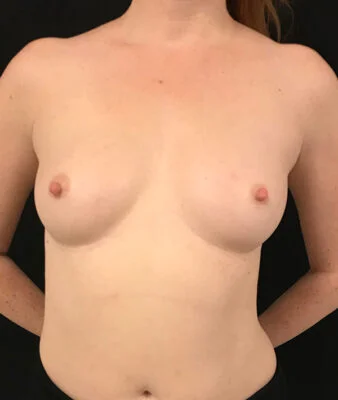
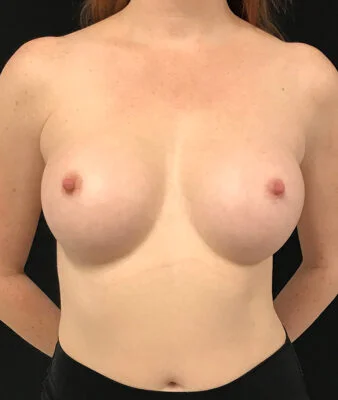
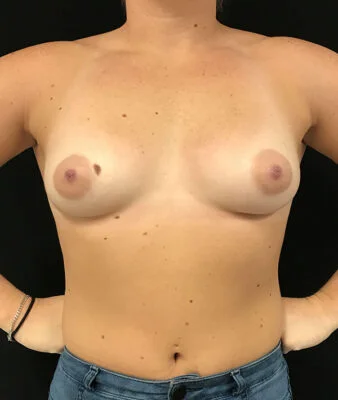
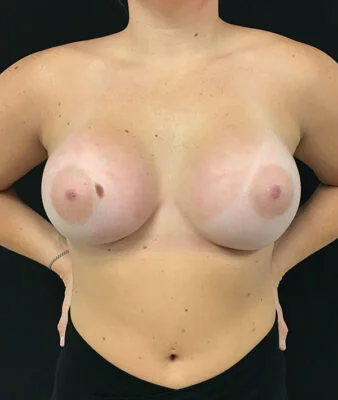
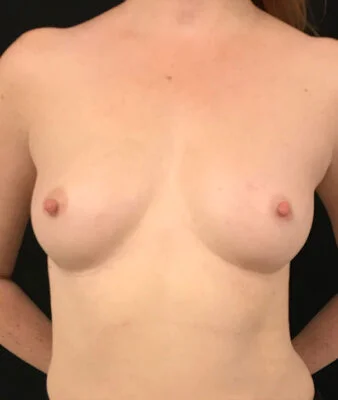
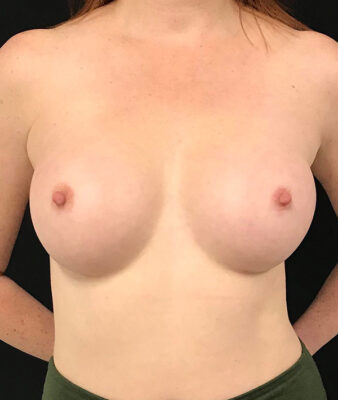
“I have had a wonderful experience with Dr. Farkas and his staff. Dr. Farkas was very attentive to my individual needs and really wanted me to be happy at the end with my results. I put my trust in his hands and he did not disappoint!”